




THE HISTORY
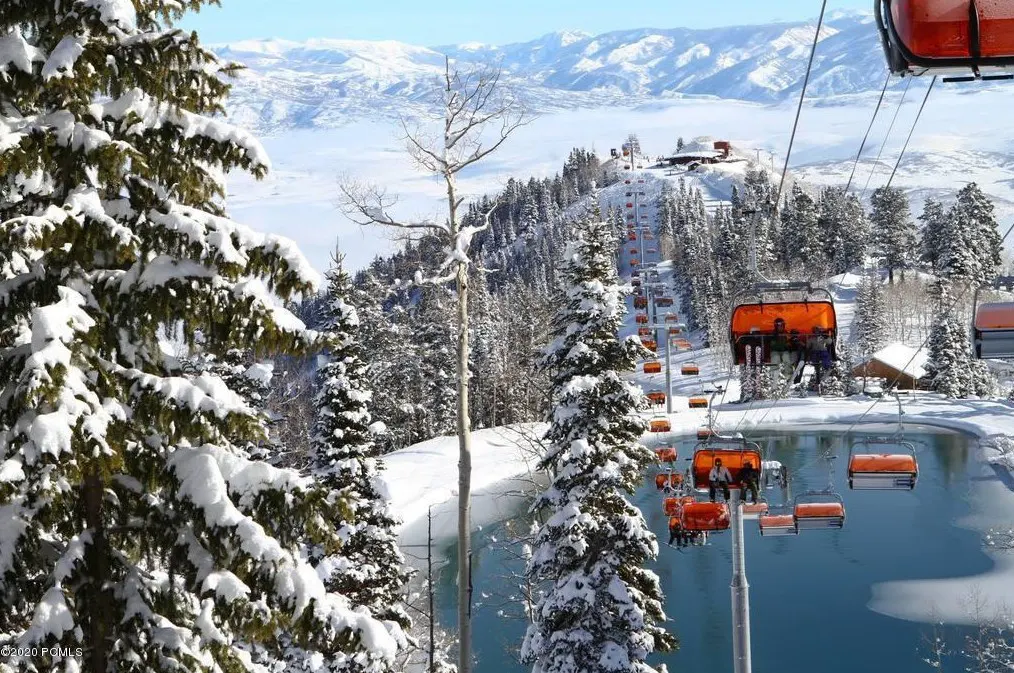
Opened in 1968 as Ski Park City West on former ranch land, this area blends Wild West history with world-class modern infrastructure. Its past includes a celebrated "Wild West" cowboy theme featuring classic lift names like Iron Horse and Tomahawk. Today, it stands as the cornerstone of the largest lift-served resort in the United States, honoring its rugged cowboy heritage while delivering a polished, modern vacation lifestyle.
THE EXPERIENCE
The cornerstone of Park City Mountain Resort, Canyons Village is a premier four-season base just minutes from downtown Park City and an easy 35-minute drive from the Salt Lake airport. The village core offers upscale dining, luxury shopping, and direct access to the Orange Bubble Express — North America's first heated chairlift. Whether you're chasing world-class skiing, summer mountain biking, or village festivities, a Moose Management home here puts the high-energy heart of the resort right outside your door.
MANAGED NEIGHBORHOODS
THE HISTORY
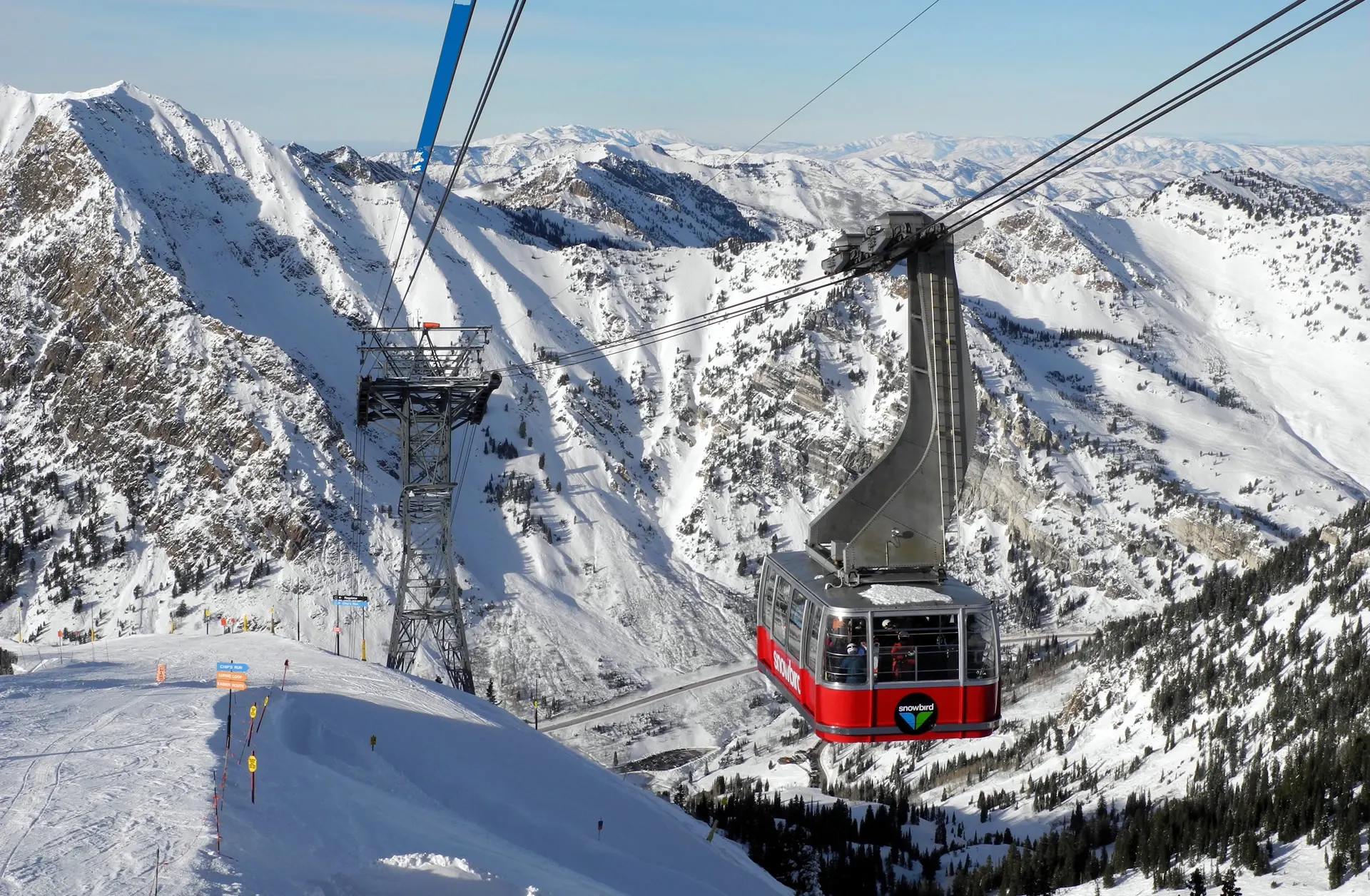
Long protected as Salt Lake City's watershed, the Cottonwood Canyons grew from rugged 19th-century silver-mining camps into the birthplace of Utah skiing. Brighton opened in 1936 as the state's very first ski area, followed by Alta in 1939 — built on the site of a near-abandoned mining town and home to one of the first chairlifts in the West. Solitude and Snowbird soon followed, the latter debuting its iconic aerial tram in 1971. Today these four legendary resorts anchor a region world-famous for the "Greatest Snow on Earth."
THE EXPERIENCE
Just over the ridge from Park City, Big and Little Cottonwood Canyons deliver some of the deepest, lightest powder on the planet across Alta, Snowbird, Brighton, and Solitude. In summer the canyons trade snow for wildflower-lined hiking trails, alpine lakes, and one of Utah's most beautiful scenic drives. It's an unforgettable day trip from your Park City basecamp — and as Moose Management grows, we're proud to be expanding our trusted service into the Cottonwoods region.
MANAGED NEIGHBORHOODS
THE HISTORY
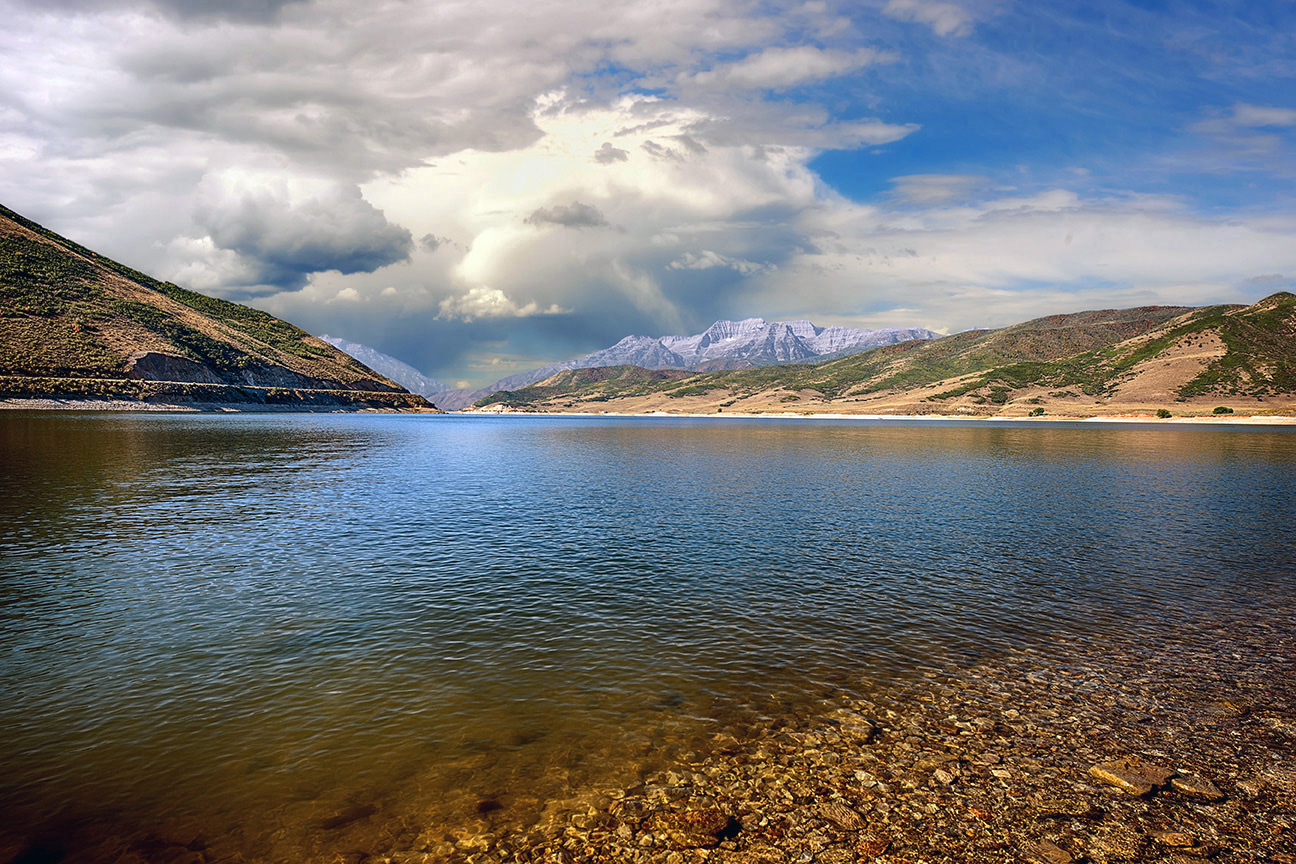
Built between 1938 and 1941 as the centerpiece of the federal Provo River Project, Deer Creek Dam rises 235 feet across the Provo River and stores water gathered from the Provo, Weber, and Duchesne Rivers for cities and farms across the Wasatch Front. Created during the Great Depression under New Deal-era funding, the project transformed a quiet farming valley near Heber into a stunning 2,700-acre alpine lake. Deer Creek State Park officially opened to the public in 1971 and has been one of Utah's most cherished mountain reservoirs ever since.
THE EXPERIENCE
Tucked between the Wasatch peaks just past Heber City, Deer Creek Reservoir is one of the Park City area's favorite warm-weather playgrounds. Famous for its consistent afternoon breezes, it's a sailing, kiteboarding, and windsurfing paradise — and just as ideal for motorboating, paddleboarding, fishing, and lazy afternoons on the beach beneath views of Mount Timpanogos. A Moose Management home in nearby Heber City puts the reservoir's sandy shores just minutes from your door. Explore other nearby reservoirs and rivers.
MANAGED NEIGHBORHOODS
THE HISTORY
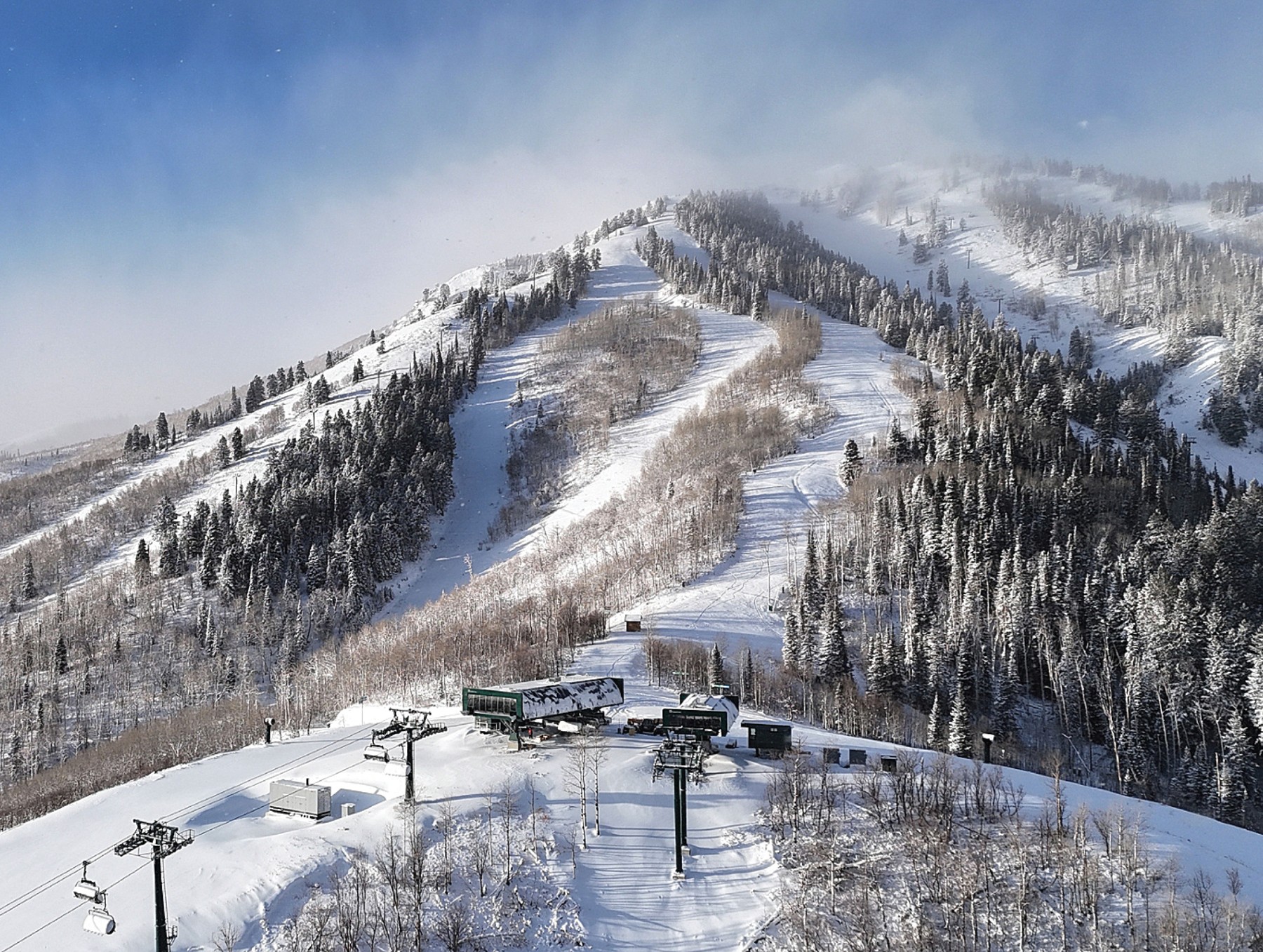
Deer Valley East Village is the first new public alpine ski village built in North America in over 40 years — and the largest resort expansion currently underway on the continent. The land was once home to the Mayflower Star Mine, which produced more silver, gold, lead, and zinc than all the rest of the Park City area combined, and later the planned Mayflower Resort. Opening in phases from 2024–25 with full completion by 2028, the project will ultimately deliver 5,700+ skiable acres across 10 peaks served by 37 lifts.
THE EXPERIENCE
Just off US-40 with a stoplight-free 40-minute drive from Salt Lake International, Deer Valley East Village is the most exciting new mountain address in the Park City area. Ride the East Village Express Gondola to Park Peak in 15 minutes, cruise the Green Monster — Utah's longest ski run — then unwind on the largest ski beach in North America with views over Jordanelle Reservoir. A Moose Management home here puts you at the heart of Deer Valley's bold new chapter.

THE HISTORY
Opened on December 26, 1981 by hoteliers Edgar and Polly Stern, Deer Valley Resort was built on a simple founding motto: "If you don't go first class, don't make the trip." Olympic legend Stein Eriksen served as Director of Skiing for 35 years, helping define the resort's hospitality-first approach — meticulous grooming, ski-only slopes, and limited daily lift ticket sales. Deer Valley hosted the 2002 Olympic mogul, aerial, and slalom events, joined Alterra Mountain Company in 2017, and has been named America's Best Ski Resort by the World Ski Awards 13 years running.
THE EXPERIENCE
Anchored by the Snow Park base, mid-mountain Silver Lake Village, and Empire Canyon, the original Deer Valley is the gold standard of ski-only luxury just minutes from historic Park City. Glide down legendary groomers like Stein Eriksen and Success, drop into the steep Empire Canyon Chutes, then warm up at Fireside Dining or one of the resort's award-winning restaurants. Come summer, the mountain reopens as a world-class mountain biking and hiking park. A Moose Management home here puts the Deer Valley Difference right outside your door.
MANAGED NEIGHBORHOODS
THE HISTORY
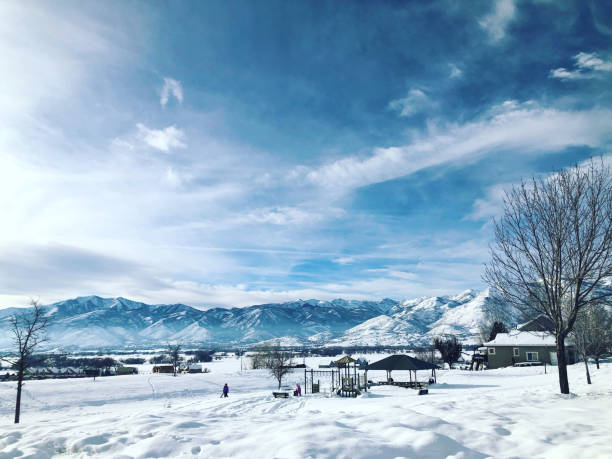
Founded in 1859 by English Mormon converts who originally called it "London," Heber City was renamed in 1862 to honor apostle Heber C. Kimball and became the seat of newly created Wasatch County. Settlers built homes from locally quarried red sandstone, and when the Denver & Rio Grande railroad arrived in 1899, the city became a busy shipping hub for sheep, dairy, and lumber. Today, the historic downtown anchors Heber Valley — long nicknamed "Utah's Switzerland" — and serves as the gateway to Jordanelle Reservoir and Deer Valley East Village.
THE EXPERIENCE
Just 10 minutes south of Park City's world-class resorts on US-40 — with Sundance Resort an easy bonus 30 minutes south through Provo Canyon — Heber City is the working heart of Heber Valley. Stroll historic Main Street, fly fish the Provo River, or ride the unforgettable Heber Valley Railroad steaming past Wasatch peaks since 1899. Tee off at one of three valley golf courses or dine in a heated snow-globe at Cafe Galleria. A Moose Management home here puts the whole Wasatch Back within reach.
MANAGED NEIGHBORHOODS
THE HISTORY
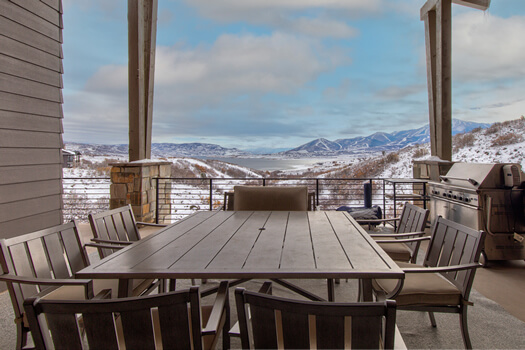
One of Utah's newest mountain communities, Hideout was officially incorporated on July 22, 2008 by area landowners along the east shore of Jordanelle Reservoir. Named for Hideout Canyon — the original 2,500-acre master-planned development — the town has grown into a collection of high-end neighborhoods overlooking the lake. With sweeping views of Deer Valley and the Wasatch Range, Hideout has quickly become one of the most sought-after addresses in the Park City area.
THE EXPERIENCE
Sitting on the east shore of Jordanelle Reservoir just 8 minutes from Park City, Hideout offers some of the most sweeping reservoir and Wasatch Range views in the area — with the new Deer Valley East Village a 15-minute drive south. Walk to lakeside trails, launch a boat at nearby Hailstone Marina, or play a quick round at Hideout's Outlaw 9-hole golf course. A Moose Management stay here is your gateway to the new Park City.
MANAGED NEIGHBORHOODS
AREA TOUR
THE HISTORY
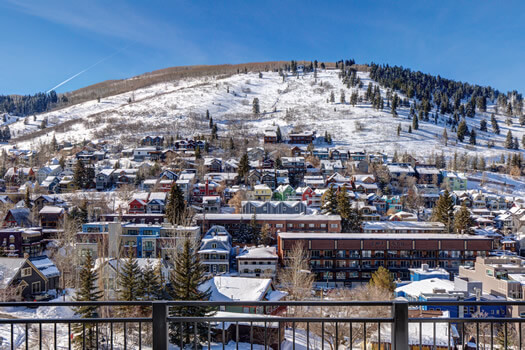
Founded as a silver mining boomtown after soldiers struck ore in 1868, Park City was named in 1872 by settler George Snyder, who called the valley "a veritable park." By the 1880s, Main Street was home to 27 saloons serving thousands of miners, and the Ontario Mine became one of the greatest silver mines in the world. The Great Fire of June 19, 1898 — the largest in Utah history at the time — destroyed roughly 200 buildings overnight. Locals rebuilt with brick and stone, and that post-fire Victorian streetscape still defines Historic Old Town today.
THE EXPERIENCE
Historic Old Town is the 84060 heart of Park City — the National Register district where 19th-century miners' cottages share blocks with restored Victorians and modern luxury condos. Step out your door to walk Main Street's restaurants and galleries, ride the Town Lift straight onto the slopes, or catch the free trolley up and down the canyon. A Moose Management home in Old Town puts you closer to the soul of Park City than any other neighborhood in the Wasatch Back.
THE HISTORY
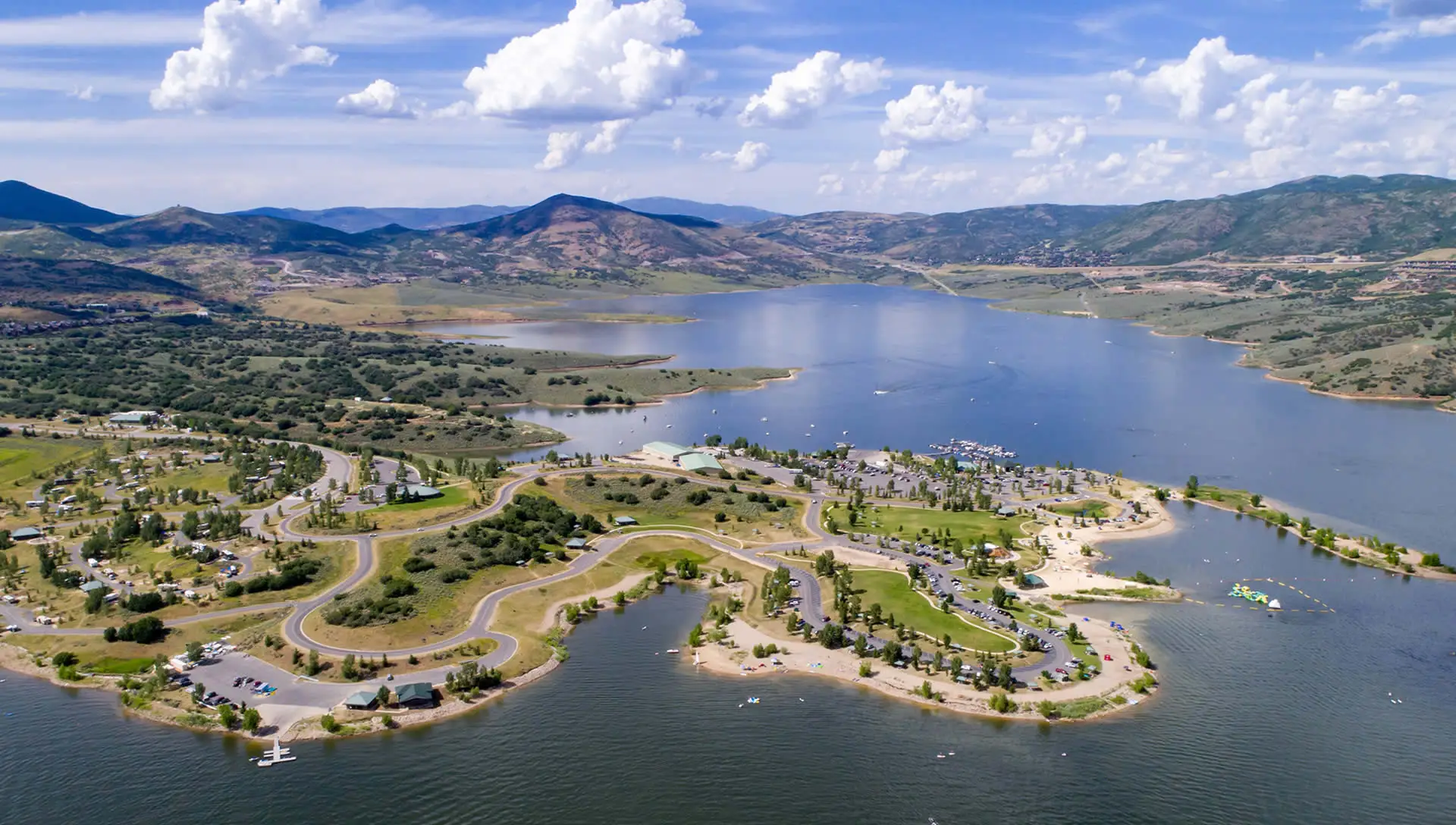
Built between June 1987 and April 1993 as the centerpiece of the federal Central Utah Project, the 300-foot Jordanelle Dam impounds the Provo River to create a 3,068-acre alpine reservoir — capacity 320,300 acre-feet, roughly twice the size of nearby Deer Creek. Construction required rerouting both U.S. 40 and U.S. 189 over the mountains and submerged three pioneer towns: Keetley, Hailstone, and Jordanelle. The reservoir filled by 1995, when Jordanelle State Park opened to the public.
THE EXPERIENCE
Just 10 minutes east of Park City and split between Hideout's east shore and Deer Valley East Village's west shore, Jordanelle is the area's premier mountain-water playground. Boat, wakeboard, paddleboard, and fish across three full state park recreation areas — Hailstone, Rock Cliff, and Ross Creek — hike or cycle the 22-mile Perimeter Trail, or splash at the Aqua X Zone floating waterpark. Certified an International Dark Sky Park in 2021, the reservoir delivers brilliant Milky Way nights after the boats come in. A Moose Management home here puts you on the water. See more local waterways.
MANAGED NEIGHBORHOODS

THE HISTORY
Settled in 1859 by Mormon pioneers under Brigham Young's direction, Kamas takes its name from the Camassia quamash, a blue-flowered lily whose bulbs were a food staple for the Ute, Shoshone, and Snake peoples who camped here long before. Originally called Rhodes Valley after first settler Thomas Rhoads, the town grew into the Wasatch Back's ranching and lumber center. Today, Kamas is officially known as "The Gateway to the Uinta Mountains" — the trailhead for one of the highest paved mountain roads in Utah.
THE EXPERIENCE
Kamas itself is a quiet ranching town about 15 minutes east of Park City, best known as the launch point for the 42-mile Mirror Lake Scenic Byway over 10,715-foot Bald Mountain Pass and into the Uinta-Wasatch-Cache National Forest. Pull over at Provo Falls, hike to Lofty Lake, picnic at Mirror Lake, or grab a smoked-trout lunch at the Samak Smoke House on the way up. Browse Moose Management's vacation rentals available near Kamas to base your Uinta adventure within easy reach of the byway.
MANAGED NEIGHBORHOODS
THE HISTORY
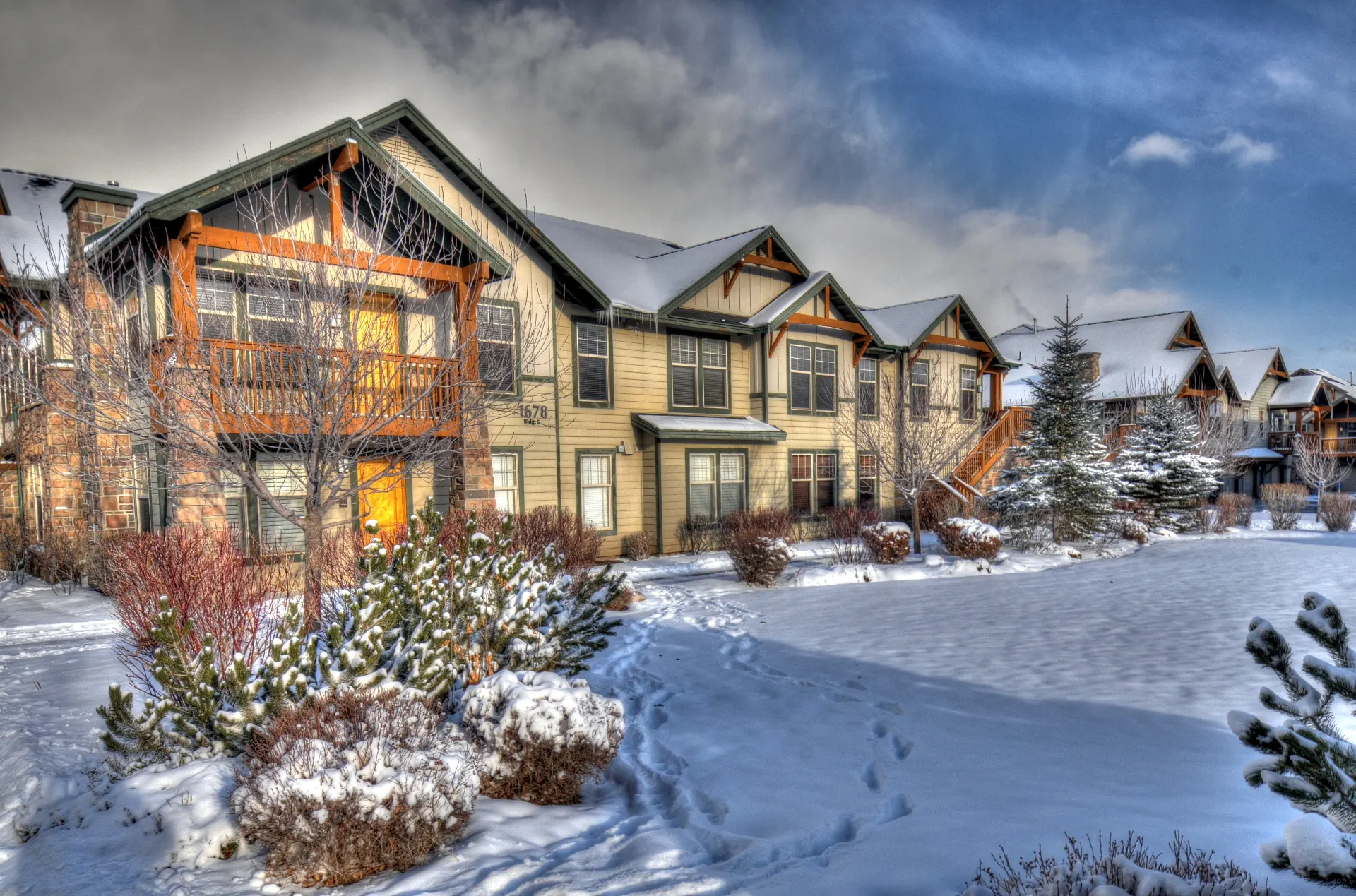
Kimball Junction takes its name from William H. Kimball, son of Brigham Young's counselor Heber C. Kimball, who in 1862 built a sandstone hotel and stagecoach stop along the Overland Stage trail in Parley's Park. Its 11 rooms, dining hall, store, post office, and saloon — the first in the Park City area — hosted Mark Twain, Walt Whitman, and Horace Greeley on their way across the West. The Kimball Brothers Stage Line ran here from 1872 until the railroads arrived in 1890. The original Kimball Stage Stop still stands today, listed on the National Register of Historic Places since 1971.
THE EXPERIENCE
Flat, walkable, and endlessly convenient, Kimball Junction sits just 5 minutes from Canyons Village and 10 minutes from Old Town. Three commercial centers anchor the area: Junction Commons, the Redstone Center with its luxury Megaplex theatre, and the Newpark Town Center. Wander the 1,200-acre Swaner Preserve and its LEED Platinum EcoCenter right in the heart of town, ride the Comet Bobsled at the 400-acre Utah Olympic Park, or hit the ramps at Woodward Park City — then hop the free Circulator from the Kimball Junction Transit Center to the slopes. A Moose Management home here keeps shopping, dining, and skiing within easy reach.
THE HISTORY
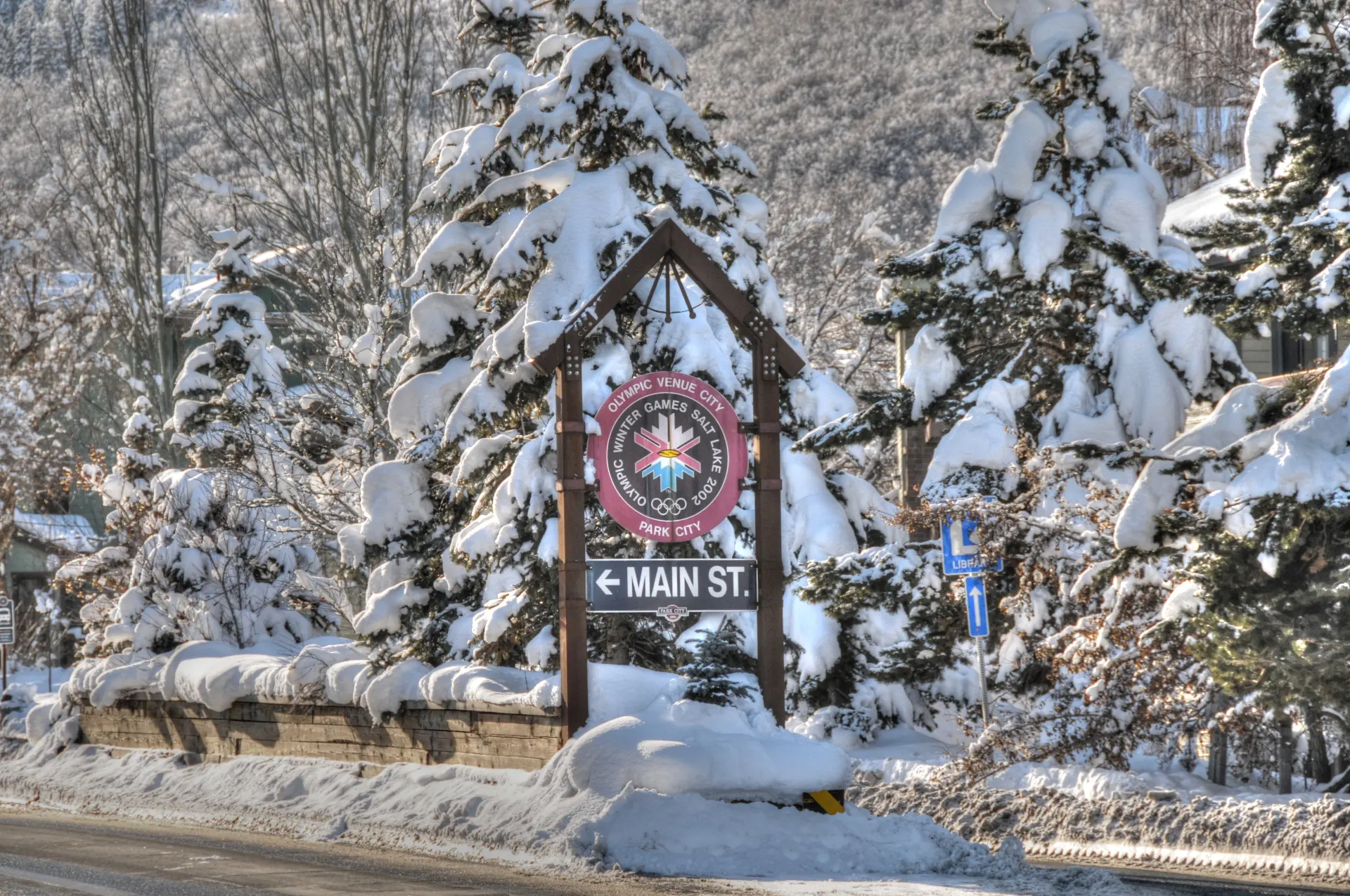
Park City's Main Street exists thanks to a happy accident: surveyors in Michigan drew its grid without realizing they were cramming it into a steep canyon, so the street rises uphill toward forested mountain slopes instead of sitting on flat ground. By the 1880s, 27 saloons lined the street to serve thousands of silver miners. The Great Fire of June 19, 1898 leveled nearly the whole commercial district, including the brand-new Grand Opera House, and locals rebuilt within months in brick and stone. That post-fire Victorian streetscape is what visitors walk today — protected within the National Register Historic District.
THE EXPERIENCE
Main Street is Park City's front porch — the half-mile of historic storefronts where shopping, dining, art, and nightlife concentrate. Each summer, restaurants build dining decks right onto the street from May through October, turning sidewalks into open-air patios for cocktails and people-watching. Browse a dozen independent galleries on the monthly Park City Gallery Stroll, settle into Red Banjo Pizza (tossing dough since 1962), grab a stool at the No Name Saloon's rooftop, or cap the night with a Riverhorse on Main tasting menu and a glass at the world's only ski-in High West Saloon. Main Street hosts the Park City Kimball Arts Festival, Savor the Summit, and the Park City Wine Festival each year. After 40 years on Main Street, Sundance wrapped its final Park City edition in 2026.
MANAGED NEIGHBORHOODS
THE HISTORY
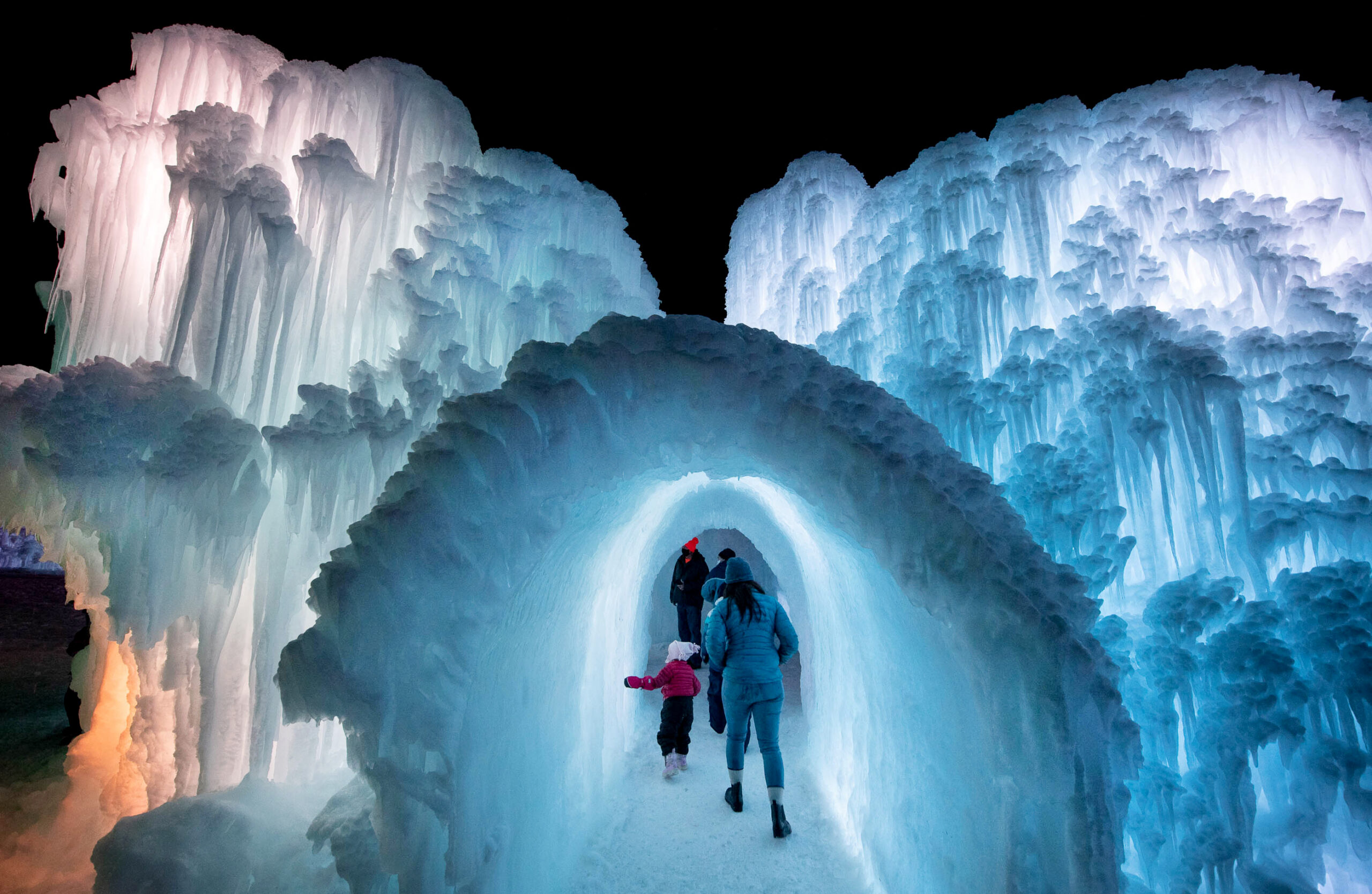
Midway began in 1858 when pioneers drove cattle up Provo Canyon into the upper valley they called "paradise land." During the Black Hawk War of 1865, two small settlements consolidated into a fortified town halfway between them — "Fort Midway." Through the 1860s and 1870s, Swiss immigrant families with names like Kohler, Gertsch, Huber, Probst, and Zenger arrived, reminded by the green valley and snowcapped peaks of home and bringing dairy farming and cheesemaking traditions. Their alpine architecture, chalet-style homes, and Swiss-style civic governance still define the town today — the heart of what Utah calls "Little Switzerland."
THE EXPERIENCE
Midway sits on the west bench of Heber Valley, 25 minutes south of Park City and walking distance from 23,000-acre Wasatch Mountain State Park — Utah's most developed state park, with miles of hiking, biking, and ATV trails. Tee up at one of four affordable 18-hole public courses spread between Wasatch and nearby Soldier Hollow, all ranked among Utah's best places to play. Float inside the Homestead Crater, a 65-foot-deep geothermal hot spring sealed under a 55-foot limestone dome at a balmy 90–96°F year-round. Time a Labor Day visit for Swiss Days, Utah's second-largest festival. A Moose Management home in Midway puts geothermal soaks, alpine golf, and Swiss-mountain quiet within easy reach.
MANAGED NEIGHBORHOODS
THE HISTORY
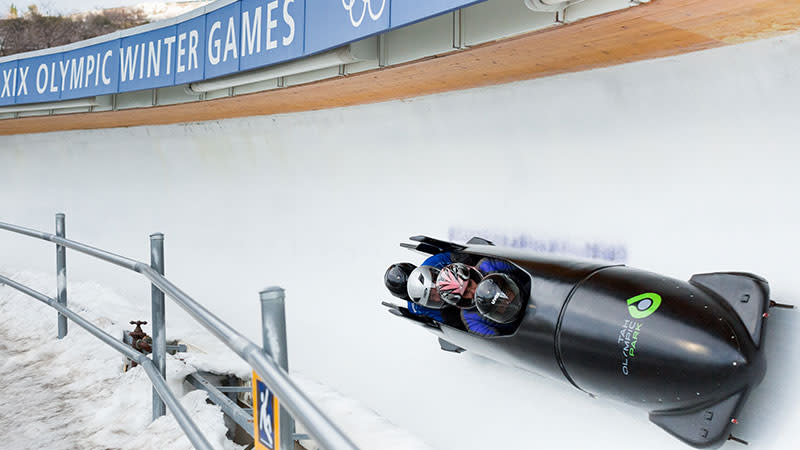
After Utahns approved a $59 million tax diversion in 1989 to fund a winter sports complex, ground broke in Bear Hollow on May 29, 1991. The ski jumps and freestyle aerials splash pool opened in 1993, and the bobsled, luge, and skeleton track followed in 1997. Renamed Utah Olympic Park in 1999 when ownership transferred to the Salt Lake Organizing Committee, the venue hosted four sliding sports and ski jumping during the 2002 Winter Games. A $76 million legacy fund from the Games now supports year-round athlete training and public programs — and the 400-acre complex returns to host sliding, ski jumping, freestyle, and snowboard events for the 2034 Olympics.
THE EXPERIENCE
Utah Olympic Park is one of only four sliding tracks in North America and an official U.S. Olympic Training Site where athletes from more than 30 countries train year-round. Summer Gold Pass visitors get all-day access to the Alpine Slide, Extreme Tubing, two ziplines, the Action Tower, Discovery ropes course, and — in peak season — the Drop Tower and Airbag Jumps; book the Comet Bobsled separately for a 60-mph ride down the actual Olympic track. Catch the Flying Ace All-Stars Freestyle Show on Friday and Saturday summer evenings, where Olympians launch 60 feet above the Spence Eccles Freestyle Pool.
THE HISTORY
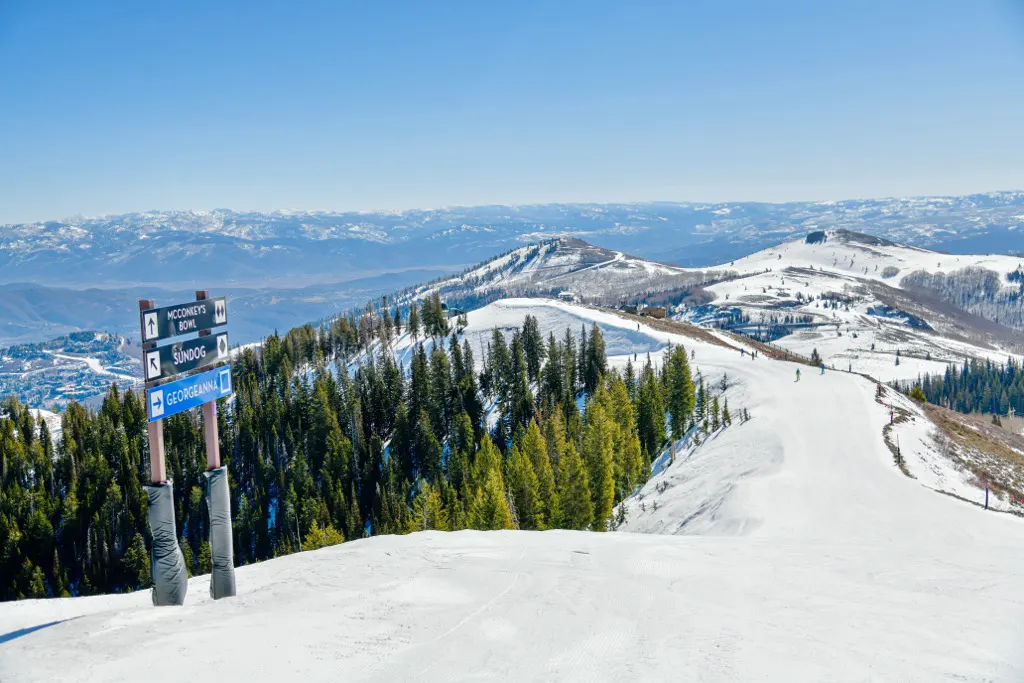
Park City Mountain traces its roots to 1868, when soldier-prospectors discovered silver in the hills. As mining declined in the 1950s, the United Park City Mines Company pivoted, opening Treasure Mountain Resort on December 21, 1963, with the longest gondola in the United States at the time. Renamed Park City Mountain Resort in 1994 under Powdr Corporation, the resort was acquired by Vail Resorts in 2014 for $182.5 million. The following year, Vail installed the eight-passenger Quicksilver Gondola — linking PCMR with neighboring Canyons Resort to form the largest single ski area in the United States.
THE EXPERIENCE
Park City Mountain spans 7,300 skiable acres across two base areas, served by 41 lifts and 324 runs — eight terrain parks and six half-pipes included. From historic Main Street, the Town Lift drops skiers directly onto the slopes. Take the free Silver to Slopes Historic Mining Tour to ski past century-old mining structures still standing among the runs. Beginning January 2027, Shaun White's Snow League fills the late-January Sundance window with Olympic-caliber halfpipe competition on a new permanent course. A Moose Management home at PCMR base puts the lifts steps from your door.
MANAGED NEIGHBORHOODS
THE HISTORY
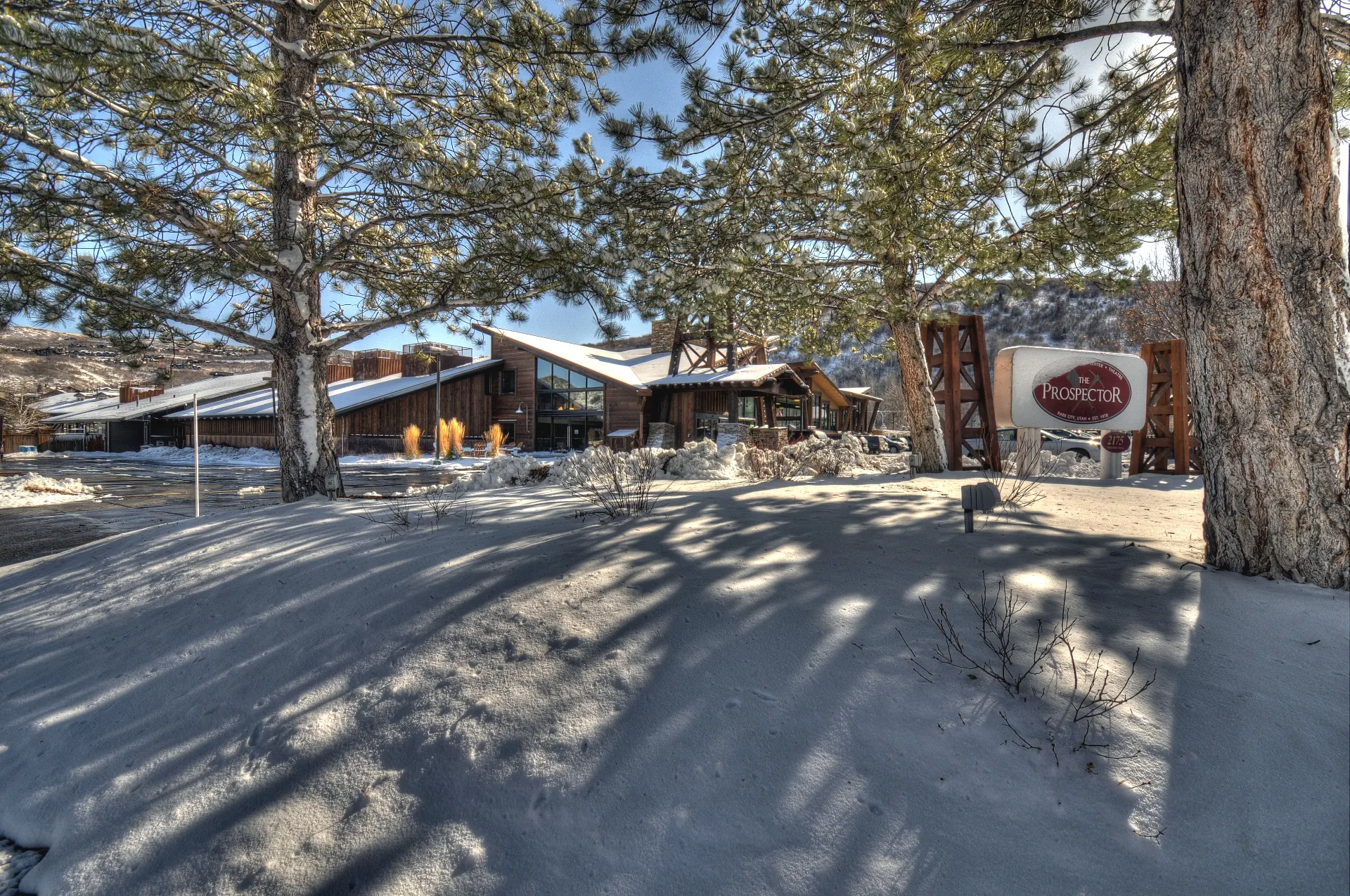
First platted in 1974 and completed in December 1978, Prospector Square was Park City's first major mixed-use development outside Historic Old Town — a subdivision that paired condominiums, shops, hotels, and a 300-seat conference theater on a flat bench above Main Street. For decades, the neighborhood served as official headquarters of the Sundance Film Festival, with the Prospector Square Theatre, the MARC, and surrounding venues hosting film screenings, press operations, and industry gatherings through Sundance's final Park City edition in 2026.
THE EXPERIENCE
Prospector Square sits east of Main Street on flat, walkable ground — a neighborhood where you can stroll out your door to dinner, the gym, or the Rail Trail without ever needing the car. Grub Steak has anchored the steakhouse scene since 1976, and Fuego Bistro's wood-fired pies, Ganesh Indian, and a dozen more independents are all within a few blocks. The Silver Mountain Sports Club covers fitness and spa, the 28-mile Historic Union Pacific Rail Trail starts at Bonanza Drive, and free Park City Transit shuttles reach Main Street, PCMR, and Kimball Junction. A Moose Management home here is your walkable, easy launch pad to all of Park City.
MANAGED NEIGHBORHOODS
THE HISTORY
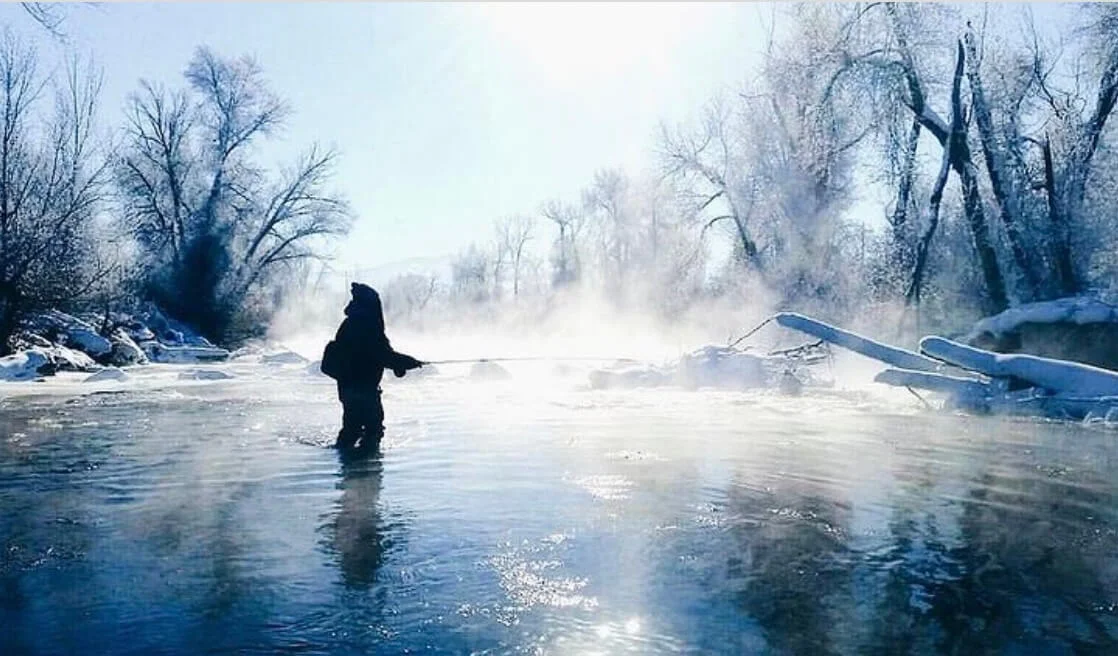
Known to the Ute as Timpanoquint — "water running over rocks" — the Provo River begins at 10,448 feet in the Uinta Mountains and runs about 70 miles southwest to Utah Lake. Two reservoirs — Jordanelle and Deer Creek — divide it into three sections: the wild Upper Provo, the tailwater Middle Provo through Heber Valley, and the Lower Provo through Provo Canyon. The Provo River Restoration Project (1999–2008) restored four miles of natural meanders, supporting a fishery that also supplies drinking water for nearly half of Utah.
THE EXPERIENCE
The Middle Provo, flowing right through Heber Valley, is Utah's most famous Blue Ribbon trout fishery — 2,500 to 3,500 wild brown trout per mile, year-round access from River Road, and tailwater flows that stay fishable through winter. Local outfitters like Park City Fly Fishing Company and Trout Bum 2 run guided walk-and-wade trips on the Middle Provo. From late May through September, the Lower Provo through Provo Canyon draws thousands of tubers on the easy 2-hour float from Deer Creek to Vivian Park. Moose Management's Heber Valley homes put you minutes from the best stretches of river. See more nearby waterways for fishing and boating.
MANAGED NEIGHBORHOODS

THE HISTORY
Quinn's Junction sits where SR-248 meets US-40 on Park City's eastern edge — once a rural crossroads, now Park City's institutional and recreational hub. Intermountain Park City Hospital opened here on September 15, 2009, ending the long drive to Salt Lake City for emergency care. The National Ability Center moved onto its 26-acre NAC Ranch in 1996, after launching in 1985 as Park City Handicapped Sports. In June 2022, Park City annexed 1,200 additional acres of Quinn's Junction, locking in the Round Valley trail system as permanent public land.
THE EXPERIENCE
Quinn's Junction is Park City's open-space gateway — the eastern entry where 700+ acres of Round Valley contain over 30 miles of singletrack for hikers, mountain bikers, trail runners, and (in winter) 50 km of groomed Nordic skiing. The National Ability Center's NAC Ranch hosts adaptive equestrian, archery, cycling, and outdoor programs open to visitors of all abilities. Park City Film Studios anchors the area's growing creative campus, and Intermountain Park City Hospital provides 24/7 emergency care minutes from town. Quinn's gives you space, sky, and easy access to Park City's quieter, wilder side.
THE HISTORY
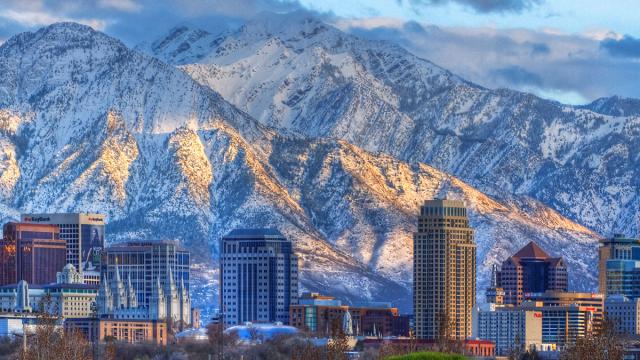
Salt Lake City — Utah's capital and Park City's gateway — was founded by Mormon pioneers in 1847. The city hosted the 2002 Winter Olympics using Park City as a primary venue cluster, and it returns as host of the 2034 Winter Olympics, with sliding, ski jumping, halfpipe, slopestyle, and alpine events running at Park City Mountain, Deer Valley, Soldier Hollow, and Utah Olympic Park. SLC International Airport — fully rebuilt in 2020 — serves over 26 million passengers a year.
THE EXPERIENCE
The drive from SLC International to Park City is just 35 miles up I-80 through Parleys Canyon — typically 35 to 45 minutes door-to-door. Spend a day in Salt Lake exploring Temple Square or the Natural History Museum of Utah before heading into the mountains. Book a 3-night winter stay with Moose Management and receive a $400 Delta Air Lines electronic gift card through the Park City Area Lodging Association's Delta Gift Card Program — see our promotions page to claim, supplies permitting.
MANAGED NEIGHBORHOODS
THE HISTORY
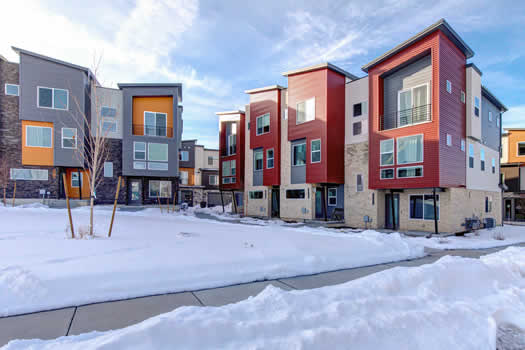
Silver Creek Village is Park City's newest master-planned community — a 310-acre development at the northwest corner of Highway 40 and Interstate 80, set between Jordanelle Reservoir to the south and Rockport Reservoir to the north, with the private golf communities of Promontory and Jeremy Ranch on either side. Planned as a "traditional neighborhood village" clustered among the sage meadows of the eastern Snyderville Basin, build-out adds roughly 1,290 residential units across single-family homes, townhomes, condominiums, and workforce housing, with about half the acreage set aside as permanent open space.
THE EXPERIENCE
Silver Creek Village is built around community amenities: multiple parks and playgrounds, a splash pad, an amphitheater, dog parks, a bike park, soccer and lacrosse fields, pickleball courts, community gardens, and an extensive trail system with direct access to the Historic Union Pacific Rail Trail. Kimball Junction shopping is 5 minutes away, Park City Mountain is 14 minutes, and Deer Valley Resort is 15 minutes. A Moose Management home here is an affordable, family-friendly base for the whole Park City area.
MANAGED NEIGHBORHOODS
THE HISTORY
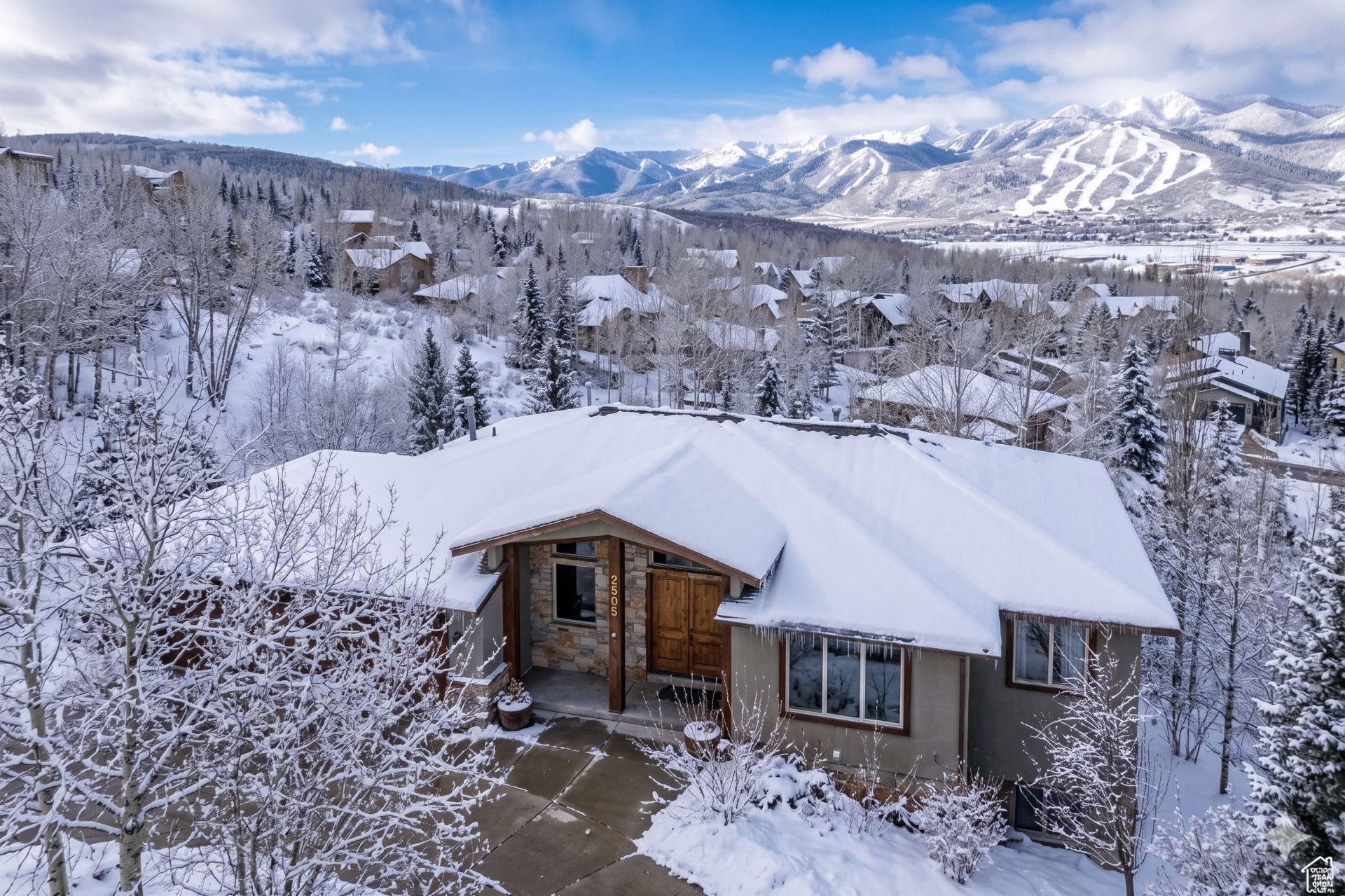
The Snyder family arrived in 1849, and in 1850 Samuel Snyder purchased Parley P. Pratt's claim to "Parley's Park" — the grassy basin that still carries the family name as Snyderville. The Snyders ran cattle, farmed, and built Snyder's Mill, a water-powered grist and sawmill that supplied lumber for local homes, mining structures, and even the original Salt Lake Tabernacle. Largely rural for over a century, Snyderville has since become Park City's fastest-expanding district — home to Utah Olympic Park, Woodward, Kimball Junction, and Silver Creek Village.
THE EXPERIENCE
Snyderville is where Park City keeps growing. The 1,200-acre Swaner Preserve, the 400-acre Utah Olympic Park, and Woodward Park City's year-round action-sports campus all sit within a 5-minute radius. Run-A-Muk's 43-acre off-leash dog park, the Basin Recreation Fieldhouse, and 27 miles of the Historic Union Pacific Rail Trail anchor the local lifestyle. Kimball Junction's three shopping centers handle dining and groceries, with Park City Mountain and Deer Valley about 15 minutes away. A Moose Management home in Snyderville is the easiest base for the active side of Park City.
THE HISTORY
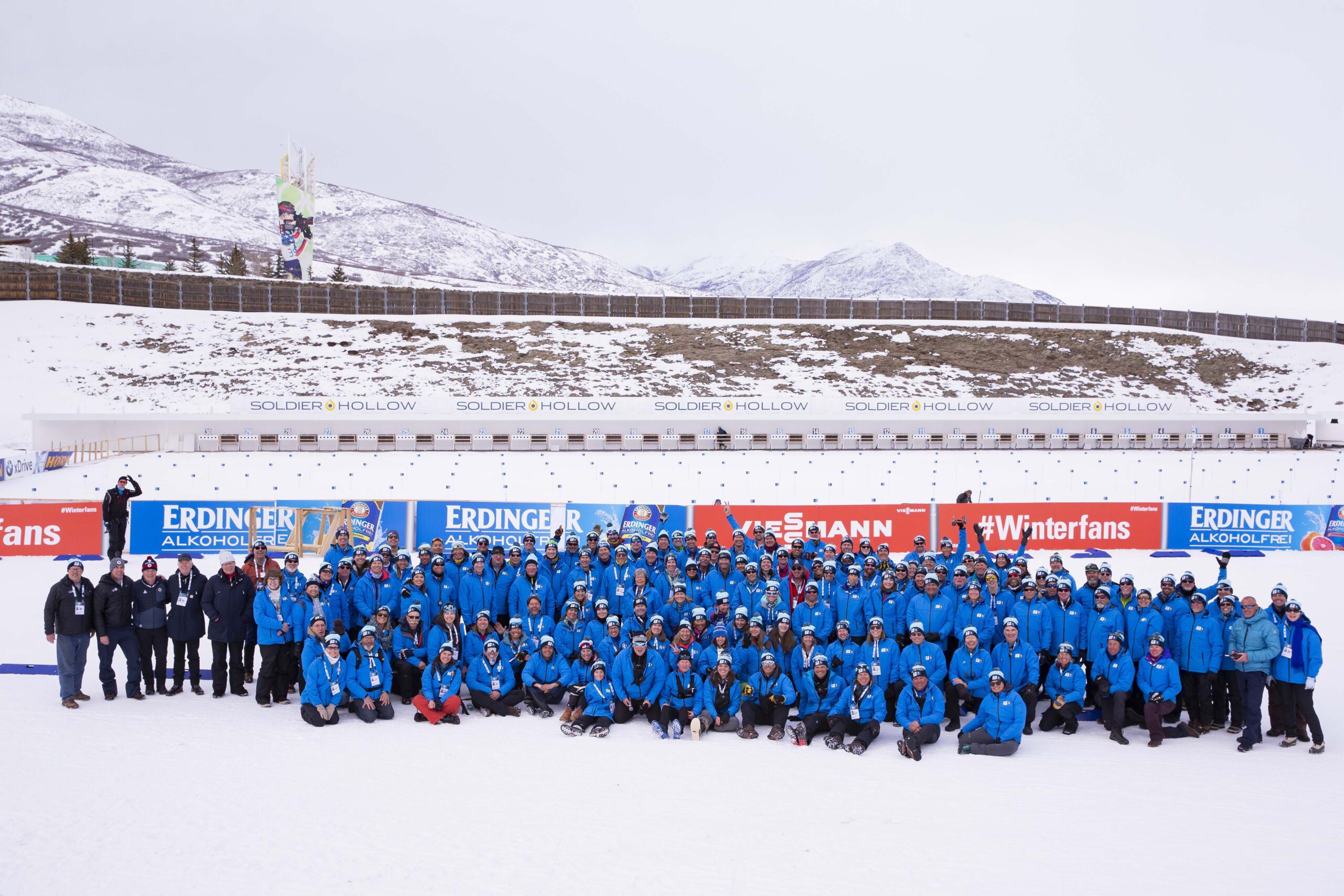
Soldier Hollow sits inside Wasatch Mountain State Park in Midway, named for Captain James H. Simpson's company of soldiers who camped here in 1849 while surveying a route between Camp Floyd and Fort Bridger. The day-use facility that opened in December 2000 was built from salvaged wood of the Lucin Cutoff Trestle that once spanned the Great Salt Lake. Soldier Hollow hosted 18 events during the 2002 Winter Games — six biathlons, ten cross-country races, and the Nordic combined ski legs — and returns as a 2034 Olympic venue.
THE EXPERIENCE
Soldier Hollow is open year-round. Winters bring Utah's longest tubing lanes (1,200-foot runs by day or under the lights), 16+ miles of groomed Nordic trails, snowshoeing, biathlon, and snowshoe yurt dinners. Summers shift to the 36-hole Soldier Hollow Golf Course (the only 36-hole layout built on an Olympic venue) and singletrack mountain biking, e-biking, and rollerskiing. Each Memorial Day weekend, the Soldier Hollow Classic Sheepdog Championship draws thousands to watch world-class dogs and handlers from 20 countries. Moose Management's Heber Valley homes are minutes from the venue.
MANAGED NEIGHBORHOODS

THE HISTORY
Summit Park sits at 6,800 feet on the ridges of Parleys Summit, just west of Kimball Junction along I-80. The name traces to Parley P. Pratt, who in 1848 began building the Golden Pass Road through Parleys Canyon — the first western wagon route into the Salt Lake Valley, completed in 1850. Originally established around 1957 as a summer cabin community, Summit Park gradually transformed into a year-round, heavily-treed mountain residential area covering 21.7 square miles between Park City and Salt Lake City.
THE EXPERIENCE
Summit Park's heavily-wooded hillsides sit 10 minutes from Park City and 15 from Salt Lake City — one of the most convenient mountain bases in the Wasatch Back. Hike into the central Wasatch foothills along Toll Canyon and the Summit Park Peak trail systems right from the neighborhood. Five minutes east, Woodward Park City's year-round action-sports campus offers indoor trampolines, foam pits, mountain bike trails, and skate parks. A Moose Management home at nearby Crestview Commons, Powderwood Pines, or Jeremy Ranch is the perfect quiet retreat at the edge of everything.
MANAGED NEIGHBORHOODS
THE HISTORY
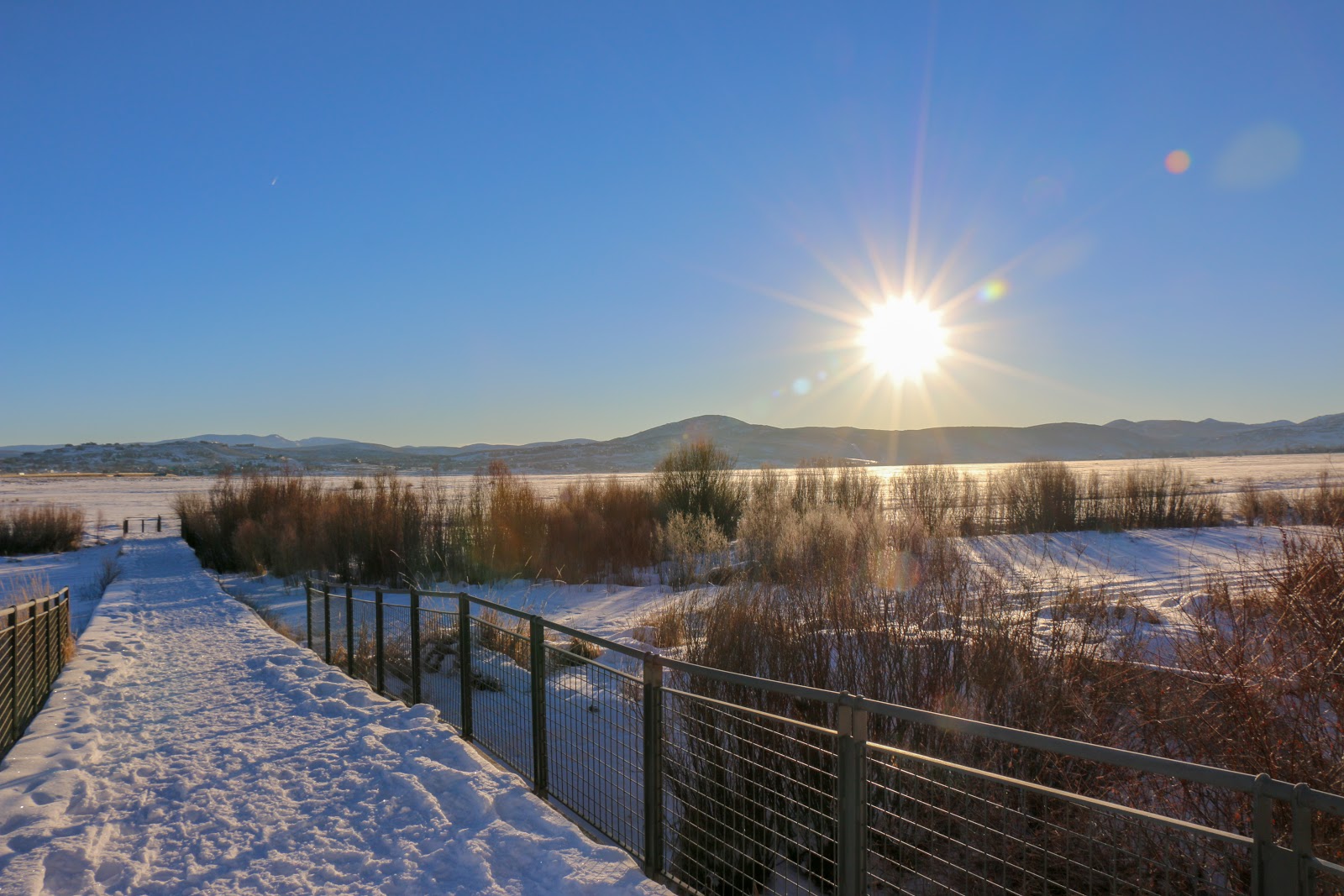
Long before settlers arrived, the Ute and Eastern Shoshone called this 1,200-acre Snyderville Basin wetland "Hole in the Sky." Leland S. Swaner bought the Spring Creek Angus Ranch here in 1957 and ran it for 35 years. After his death, his son Sumner — a landscape architect — proposed a nature preserve in his father's memory, and in 1993 the Swaner family donated 190 acres to launch the Swaner Memorial Park Foundation. Land donations from neighboring developers grew the preserve to its current size, and in 2010 the Swaner family gifted the entire preserve and EcoCenter to Utah State University.
THE EXPERIENCE
Wetlands make up just 1% of Utah's landscape but support 80% of the state's wildlife — and Swaner Preserve protects 550+ acres of the highest quality. Ten miles of trails and boardwalks loop through cattails, sage uplands, and Spring Creek, with sandhill cranes, kingfishers, and elk regularly spotted. The 10,000-square-foot EcoCenter, opened in 2009, is LEED Platinum Certified — the highest green-building standard — and houses interactive exhibits and family programs year-round. Moose Management's Kimball Junction homes put you a short walk from the preserve's main trailheads.
MANAGED NEIGHBORHOODS
THE HISTORY
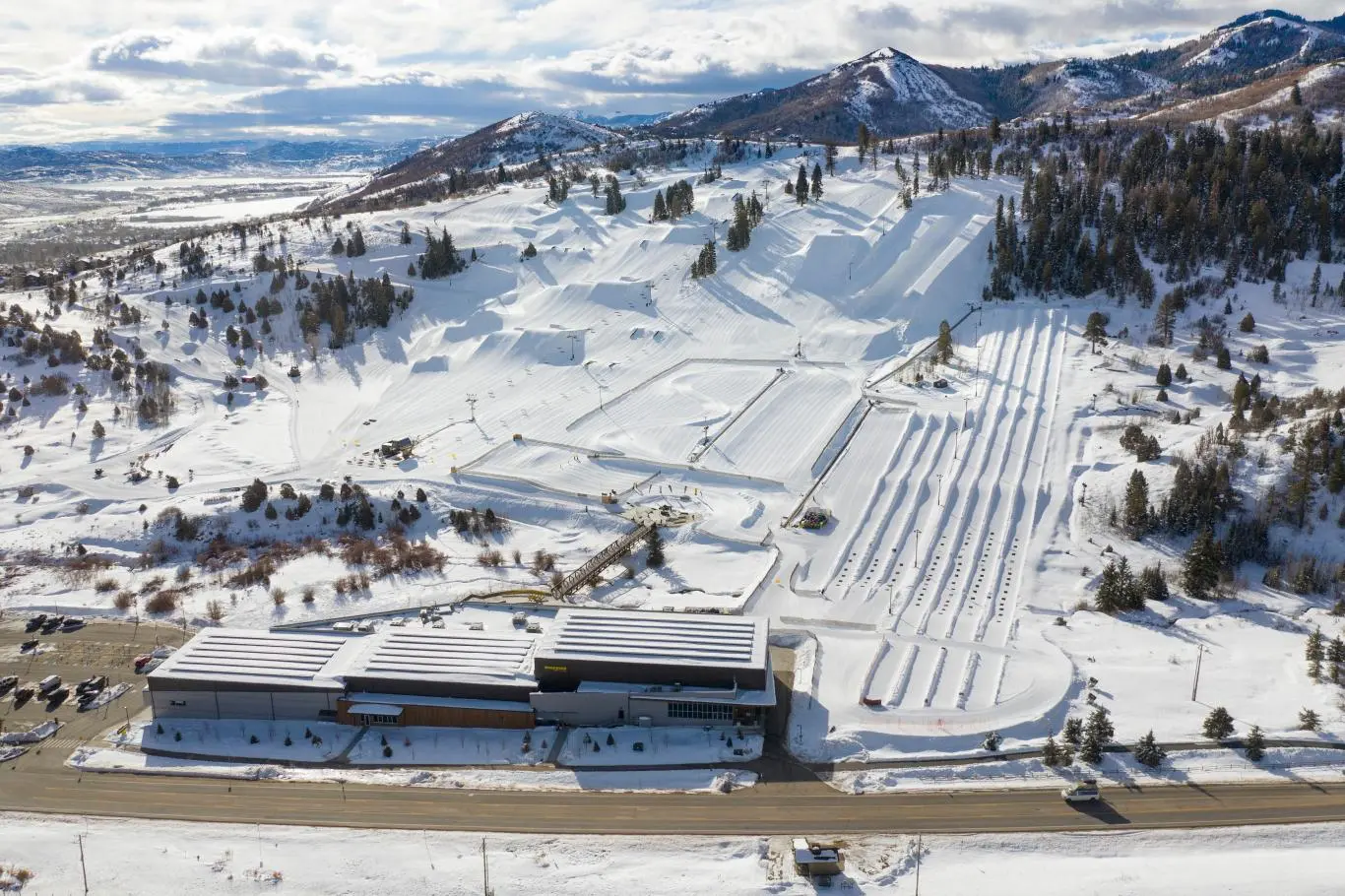
Woodward Park City opened in December 2019 as Park City's third mountain and Utah's first action-sports resort — built on the site of Gorgoza Park, a Powdr-owned tubing hill along I-80 between Parleys Summit and Kimball Junction. Powdr (the Park City-headquartered parent) converted the 10-acre tubing hill into a 125-acre year-round campus with ski runs, mountain bike trails, skateparks, and a 66,000-square-foot indoor Action Sports Hub. Today it's an official U.S. Ski & Snowboard Team Training Center.
THE EXPERIENCE
Open 365 days a year, Woodward is built around progression. Inside the 66,000-square-foot Hub, trampolines, foam pits, air bags, and a 10,000-square-foot indoor skate park let you fail safely while you level up. Outdoors: a 22-foot Olympic halfpipe, terrain parks, mountain-bike trails, BMX, and Utah's longest tubing lanes. The same coaches who train Olympians teach first-timers. A Moose Management home at Kimball Junction is minutes from the gates.